

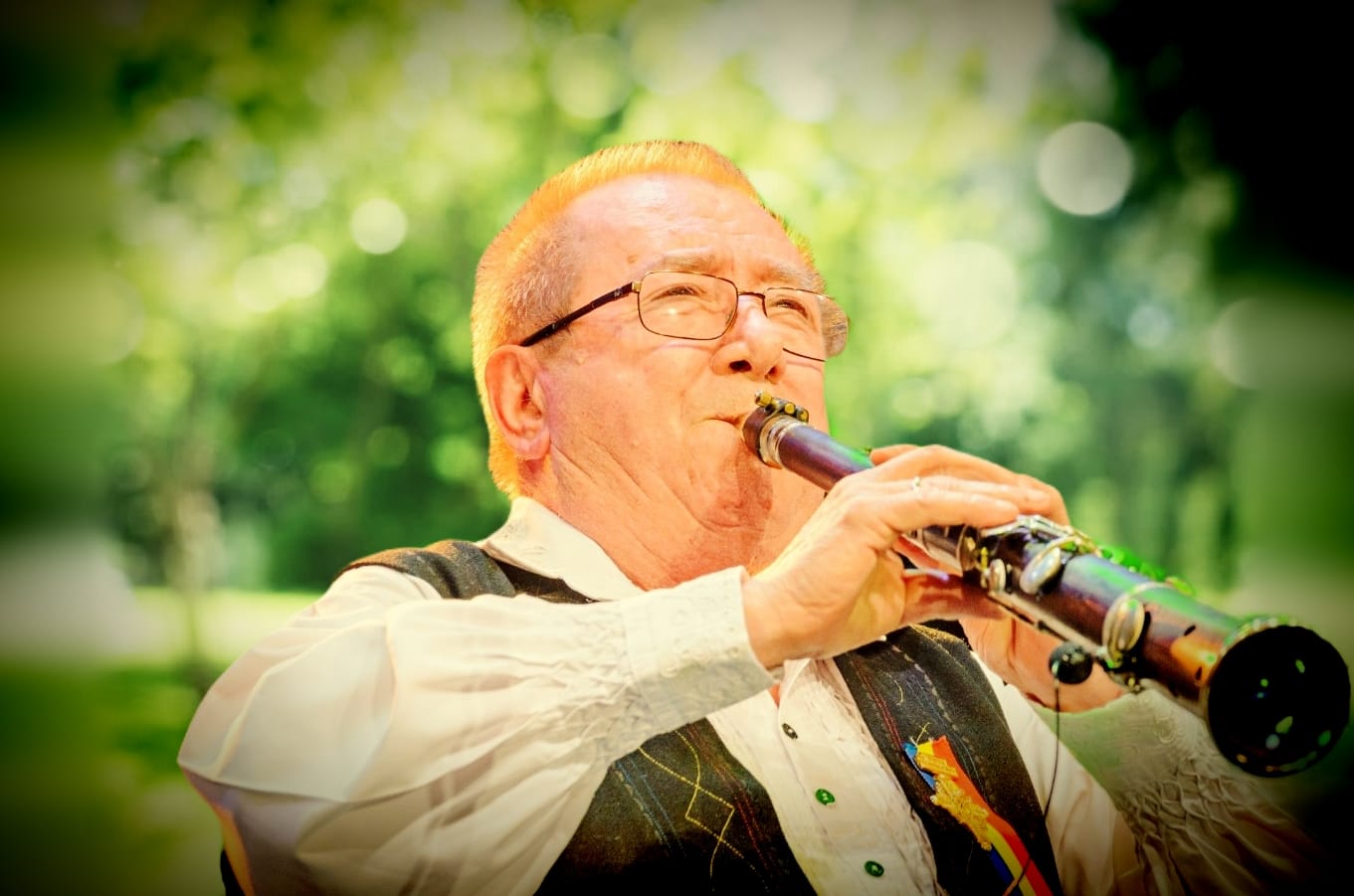

Dumitru Fărcaș was a renowned taragot master and a beloved artist whose music reflects the very identity of the Romanian people. He was born on 1 March 1938 in the village of Maramures, Romania. He began playing the taragot, a traditional Romanian woodwind instrument, at the age of 12 and studied at the Gheorghe Dima Academy of Music in Cluj-Napoca, where he later became a teacher.
Fărcaș was a member of the orchestra of the “Mărțișorul” Student Folk Ensemble, founded in 1948. He played an important role in promoting Romanian culture around the world, performing in over 50 countries. He was also a composer, creating over 300 works for taragot.
In 2019, the City Hall, the City Council and the Students’ House of Culture of Cluj-Napoca named the latter institution “Dumitru Fărcaș” to honour and preserve the public memory of the renowned taragot master. The building was modernized and an architectural lighting system was installed to enhance this cultural landmark.
Significance of the street name change
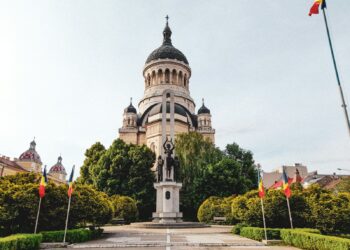
On 7 September 2023, the Local Council of Cluj-Napoca approved a resolution changing the name of the street “Cișmigiu” to “Dumitru Fărcaș”. The street is located near the Simion Bărnuțiu Central Park, where Dumitru Fărcaș lived for over 35 years. The change is a sign of respect and appreciation for his entire activity as a cultural ambassador of Cluj and Romania.
Changing the name of the street is a way of honouring Dumitru Fărcaș and preserving his legacy. It is also a way to promote Romanian culture and raise awareness of the importance of traditional music. The change is a reminder of the impact Fărcaș had on the cultural heritage of Romania and the world.

The legacy of Dumitru Fărcaș
Dumitru Fărcaș passed away on 3 December 2017 at the age of 79. He left behind a rich legacy in music and cultural heritage. His music reflects the very identity of the Romanian people and was a source of inspiration for many musicians and artists.
The renaming of the street and the naming of the Students’ Cultural Centre after Dumitru Fărcaș are just two examples of how his legacy is being preserved. His music continues to be performed and celebrated, and his influence on Romanian culture will be felt for generations to come.
Dumitru Fărcaș was a cultural ambassador of Cluj and Romania, whose music reflects the very identity of the Romanian people. The renaming of the street and the naming of the Students’ Cultural Centre after him are a sign of respect and appreciation for his entire work. His legacy continues to inspire musicians and artists, and his influence on Romanian culture will be felt for generations to come.