


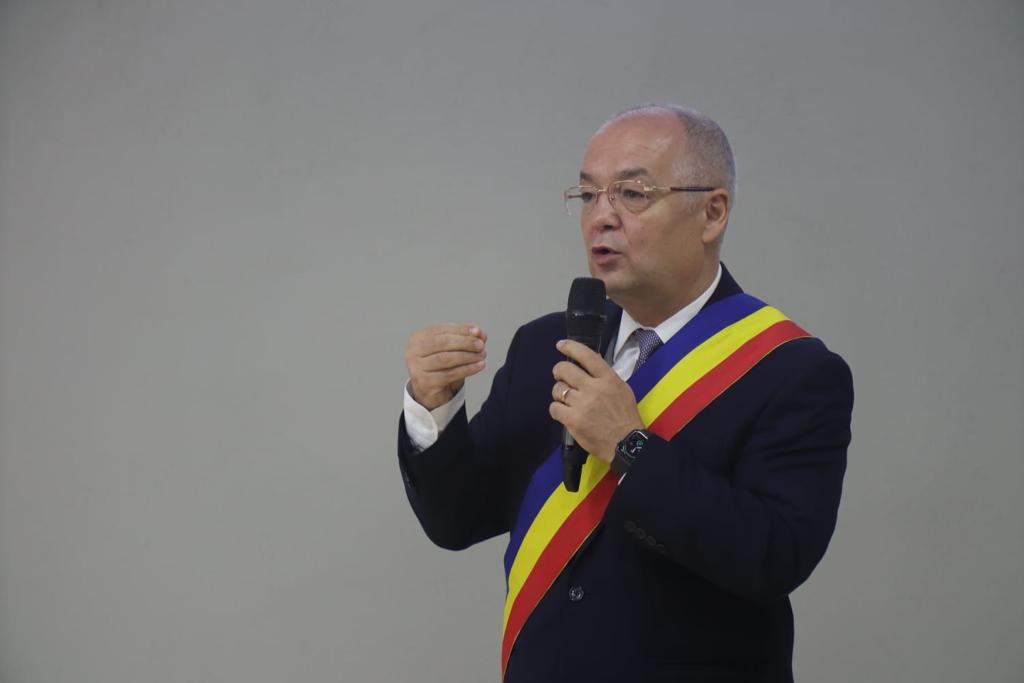

In a recent turn of events, Emil Boc, the mayor of Cluj-Napoca, has sparked a heated debate within the Romanian football community with his allegations of match-fixing in the country’s top football league. The controversy stems from a match between Petrolul and Sepsi, where Sepsi emerged victorious with a 2-1 win, ultimately securing their spot in the playoffs.
Allegations of Match-Fixing
Emil Boc’s accusations revolve around the manner in which the match unfolded, particularly highlighting certain incidents that he perceives as suspicious. He points to specific instances during the game where he believes Petrolul players acted in a manner conducive to losing the match intentionally. Boc’s claims have stirred up a storm of controversy, with many questioning the integrity of the sport and calling for a thorough investigation into the matter.
Response from Petrolul Ploiești
In response to Boc’s allegations, Petrolul Ploiești has vehemently denied any wrongdoing and has announced their intention to take legal action against the mayor. The club issued a statement expressing their dismay over Boc’s accusations, stating that such baseless claims tarnish the reputation of the club and the sport as a whole. They assert that the allegations are unfounded and are merely a ploy to gain political favor.
Legal Ramifications
The escalation of this controversy into a legal battle underscores the seriousness of the allegations and their potential implications. With Petrolul Ploiești pursuing legal action against Emil Boc, the case is likely to undergo judicial scrutiny, and the outcome could have far-reaching consequences for both parties involved. It remains to be seen how the legal proceedings will unfold and what implications they will have for the broader football community in Romania.
Implications for Romanian Football
The fallout from this controversy extends beyond the immediate parties involved, impacting the perception of Romanian football on a national and international level. The allegations of match-fixing cast a shadow of doubt over the integrity of the sport and raise questions about the effectiveness of existing regulatory measures. The controversy serves as a wake-up call for the football authorities in Romania to address issues of transparency and accountability within the sport.

Emil Boc’s allegations of match-fixing in Romanian football have sparked a contentious debate and drawn widespread attention to the integrity of the sport. As the controversy continues to unfold, it highlights the need for greater vigilance and accountability in ensuring the integrity of football competitions. Ultimately, the resolution of this controversy will shape the future of Romanian football and determine the measures needed to safeguard its integrity.